FIELD NOTES // FIELDCRAFT
THE SECOND EMERGENCY
What USAF SERE Medicine and Weather Teach Civilians About Staying Functional Until Help Arrives

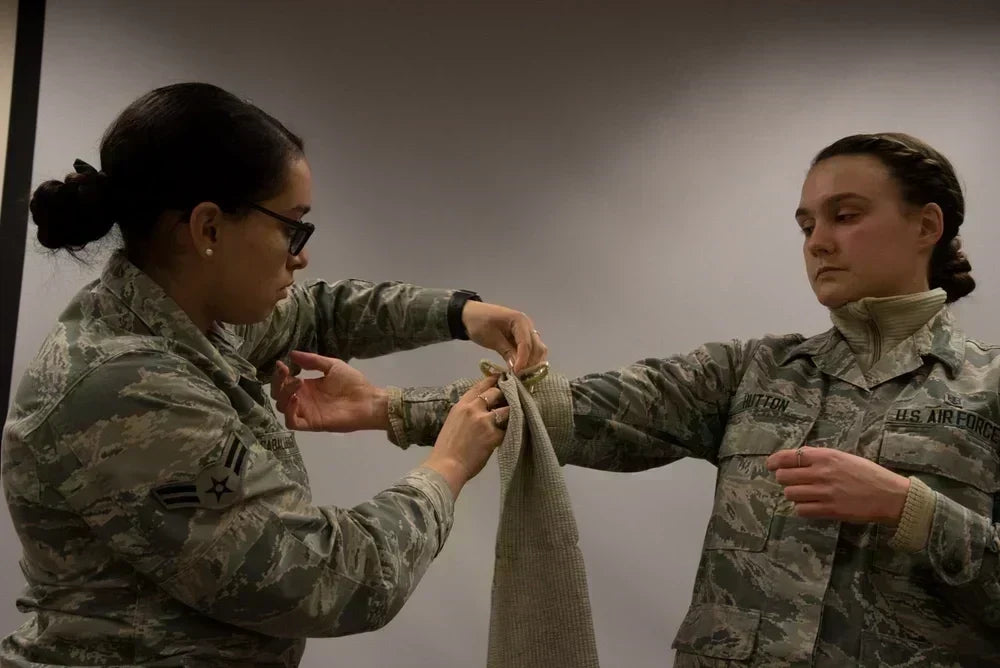
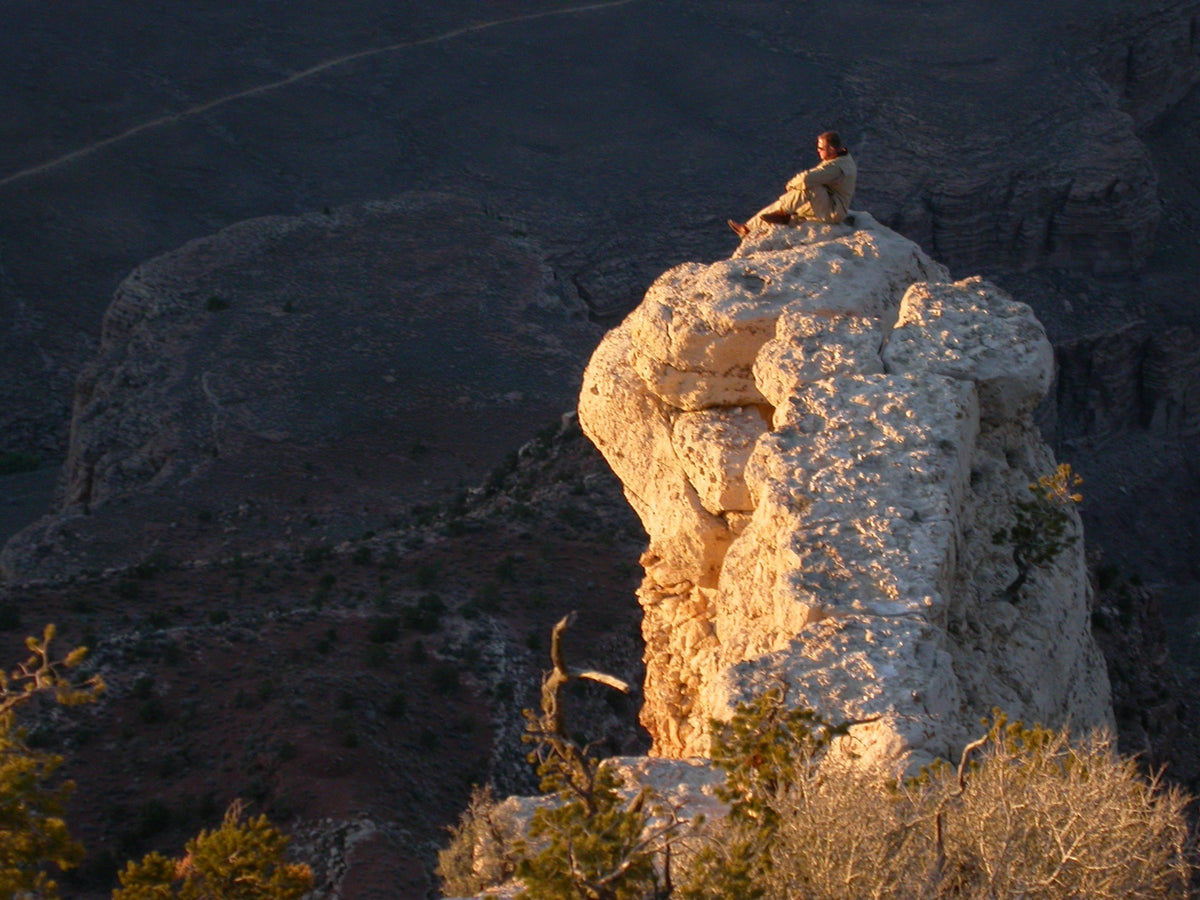
Credit: U.S. Air Force photo by Senior Airman Mary Schwarzler. Public domain. Photo ID 6084081, VIRIN 200209-Z-LI327-2013.
Source: DVIDS image record
The hike was supposed to take two hours.
Then one person slipped, caught a hand on a sharp rock and opened a cut that would not stop bleeding immediately. Another member of the group developed a painful blister. While everyone focused on the injuries, high clouds thickened overhead, the wind changed direction and the temperature began to fall.
None of the problems looked catastrophic by itself. Together, they created a different situation. The group was moving more slowly, daylight was disappearing, the trail was getting wet and everyone was becoming frustrated. A minor medical problem had started consuming time. The weather was narrowing their options.
This is how many emergencies grow out of control. The original problem may be manageable. The second emergency develops because people ignore small injuries, lose mobility, misread changing conditions or wait too long to change the plan.
Chapters 5 and 6 of Air Force Handbook 10-644, Survival, Evasion, Resistance and Escape Operations address those two problems directly: preserving health when medical care is delayed and reading the environment before weather becomes another threat.
The handbook was written for military personnel who may be isolated far beyond the reach of normal assistance. Civilians usually have better options. We have phones, roads, emergency medical services, weather forecasts and established rescue systems. Use them. The useful civilian lesson is not how to imitate battlefield medicine. It is how to prevent a manageable problem from becoming the reason you can no longer help yourself.
SERE Medicine Begins Where Ordinary First Aid Ends
Military personnel receive conventional first-aid instruction before attending SERE training. The handbook refers to that baseline as Self Aid and Buddy Care: the ability to provide immediate assistance to yourself or another person until professional treatment becomes available.
Chapter 5 goes further because it was written for isolated personnel—called “IP” in military terminology—who might spend days without access to a doctor, ambulance or evacuation.
That distinction matters. The handbook includes improvised measures intended to extend life when conventional treatment simply does not exist. It acknowledges that the resulting care may fall below normal medical standards. That is not permission for a civilian to attempt extreme procedures when a phone, road or emergency department is available.
The chapter's most useful finding is less dramatic. In its review of recovery operations, essentially everyone recovered had developed some type of injury by the time assistance reached them. Roughly one in ten had become injured even though they entered the isolating event uninjured.
The message is not that every small injury is an emergency. It is that small problems accumulate. A blister changes how you walk. A neglected cut becomes infected and painful. Diarrhea accelerates dehydration. Wet feet damage skin and reduce mobility. Lost sleep weakens judgment.
Prompt attention preserves capability.
Prevention Is Medical Capability

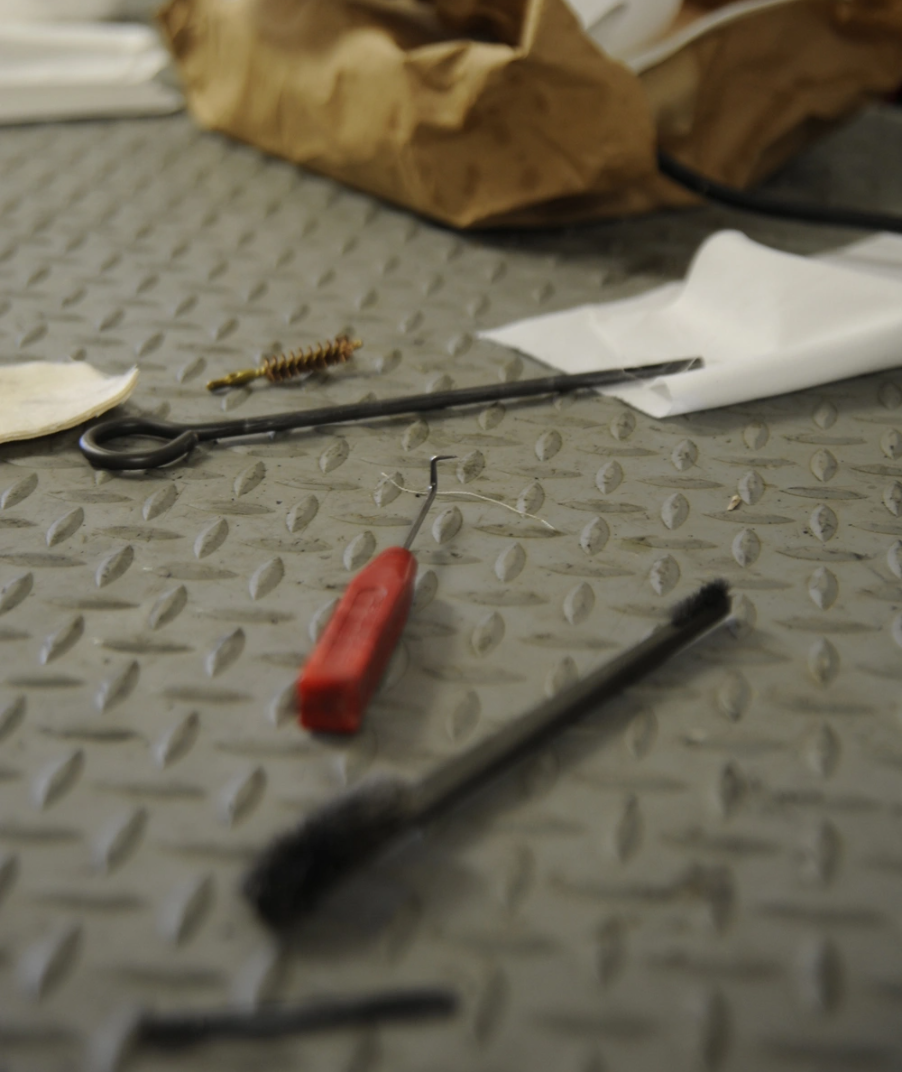
Credit: Centers for Disease Control and Prevention, Public Health Image Library, ID 18446. Public domain.
Source: CDC PHIL image record
People tend to picture first aid as something that begins after blood appears. In prolonged emergencies, much of effective medical care happens before the injury.
Cleanliness is one of the simplest protections available. Wash your hands before handling food, drinking water, medication, or a wound, and after using the bathroom. If soap and clean running water are unavailable, the CDC recommends a hand sanitizer containing at least 60 percent alcohol when appropriate. Hands should still be washed with soap and water as soon as that becomes possible. CDC hand-hygiene guidance
The SERE handbook discusses substitutes such as ash, sand, or loamy soil for circumstances where isolated military personnel have no conventional cleaning supplies. That is an extreme-isolation measure, not preferable to civilian hygiene. Abrasive or contaminated material should never be rubbed into a wound. Use ordinary soap, clean water, and approved sanitizing products whenever available.
Personal hygiene protects more than comfort. Dirty hands transfer contamination to food and wounds. Damp clothing traps moisture against the skin. Long or damaged nails can create scratches that become infected. Poor waste handling contaminates living areas and water sources.
Dental care matters for the same reason. Tooth pain or infection can disrupt eating, sleeping, and concentration. A toothbrush, toothpaste, and floss occupy very little space in a vehicle or evacuation kit. In a prolonged outage or evacuation, those ordinary items can preserve far more capability than another unfamiliar survival gadget.
The same principle applies to feet. A person who cannot walk comfortably may be unable to reach shelter, exit a damaged area, or carry supplies. Keep feet as dry as conditions allow. Change wet socks, use properly fitted footwear, and respond to friction as soon as a warm or irritated “hot spot” appears. A small blister pad applied early may prevent hours of pain and altered movement later.
Health maintenance also includes rest. Fatigue makes people careless around generators, cutting tools, damaged buildings, floodwater, and traffic. It encourages shortcuts and weakens the ability to notice changing symptoms. Sleep may be imperfect during an emergency, but planned rest is still a resource that must be considered. Do not wait for exhaustion to decide for you.
Be Useful Before You Try to Be Advanced
A useful first-aid kit should match the owner's training. That usually means gloves, wound dressings, bandages, cleaning supplies, personal medication, and other ordinary items the user can identify and apply correctly. It also means knowing where the kit is stored, inspecting it regularly, and replacing anything expired, damaged, or used.
The person carrying it should understand basic bleeding control, CPR, and how to recognize a condition that exceeds basic first aid. A recognized course from the American Red Cross or another qualified provider is more valuable than packing specialized equipment without knowing what it is designed to do.
Written information is part of the system. Keep a current list of prescriptions, allergies, significant medical conditions, emergency contacts, and medical-provider information. If someone becomes confused or unconscious, another person should not have to guess what medication they take.
Illness deserves the same attention as injury. Gastrointestinal illness, respiratory infection, and skin infection can weaken a person quickly when water, sleep, and transportation are already limited. Persistent or worsening symptoms, breathing difficulty, altered mental status, serious dehydration, uncontrolled bleeding, or signs of a severe allergic reaction require professional evaluation. Preparedness is not doing more than you're competent to do. It is recognizing the problem early, doing what you have been trained to do, and creating the fastest safe path to qualified help.
Heat and Cold Change the Decision-Maker

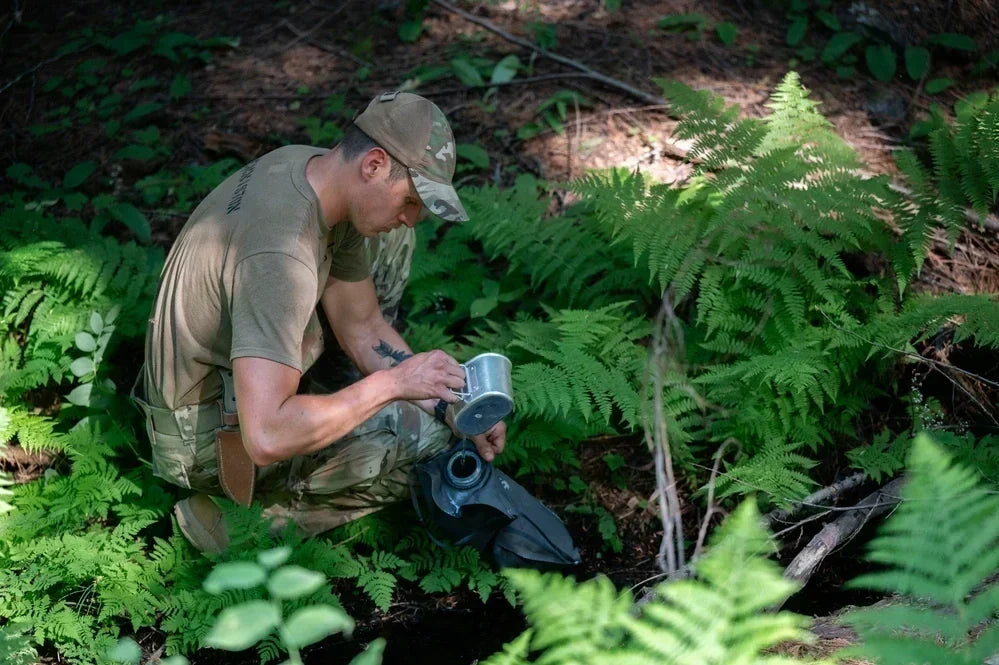
Credit: U.S. Air Force photo by Senior Airman Hunter Hites. Public domain. Photo ID 9421766, VIRIN 251125-F-DL909-1070.
Source: DVIDS image record
Environmental exposure does more than damage the body. It interferes with judgment, coordination, and communication.
Heat exhaustion commonly involves heavy sweating, headache, nausea, dizziness, weakness, thirst, or muscle cramps. The person needs to stop exertion, move to a cooler location, and be evaluated if symptoms worsen or do not improve.
Heat stroke is different. Confusion, altered behavior, slurred speech, loss of consciousness, seizures, or a rapidly rising body temperature indicate a life-threatening emergency. Skin may be hot and dry or still sweating. Call 911 immediately and begin rapid cooling while following dispatcher instructions. Heat stroke is not something to “walk off” or handle as routine field treatment. CDC/NIOSH heat-illness guidance
Cold creates its own deception. Hypothermia can begin with shivering, exhaustion, and fumbling hands. As it progresses, the person may become confused, drowsy, or unable to speak clearly. Hypothermia can occur even above 40 degrees Fahrenheit when someone becomes wet and chilled. A body temperature below 95 degrees is a medical emergency.
If intense shivering stops while the person remains cold, do not assume they are improving. That may indicate the body is losing its ability to generate heat. Move the person to shelter, remove wet clothing, add dry insulation, and seek emergency assistance. CDC cold-weather guidance
Frostbite may produce numb skin that looks white or grayish-yellow and feels unusually firm or waxy. Do not rub the area or place it against direct heat. Protect it from further exposure and obtain medical care. When rewarming is appropriate and refreezing is not a risk, current CDC guidance calls for warm—not hot—water.
Feet can also be injured without freezing. Immersion foot, sometimes called trench foot, develops when feet remain wet and cold for hours. Prevention is more reliable than treatment: keep footwear from becoming unnecessarily saturated, rotate socks, and inspect the feet when conditions remain wet. The larger lesson is to intervene while everyone can still think and move. Once heat, cold, or fatigue begins changing behavior, the group is already losing decision-making capacity.
Read the Sky Before It Becomes Part of the Emergency

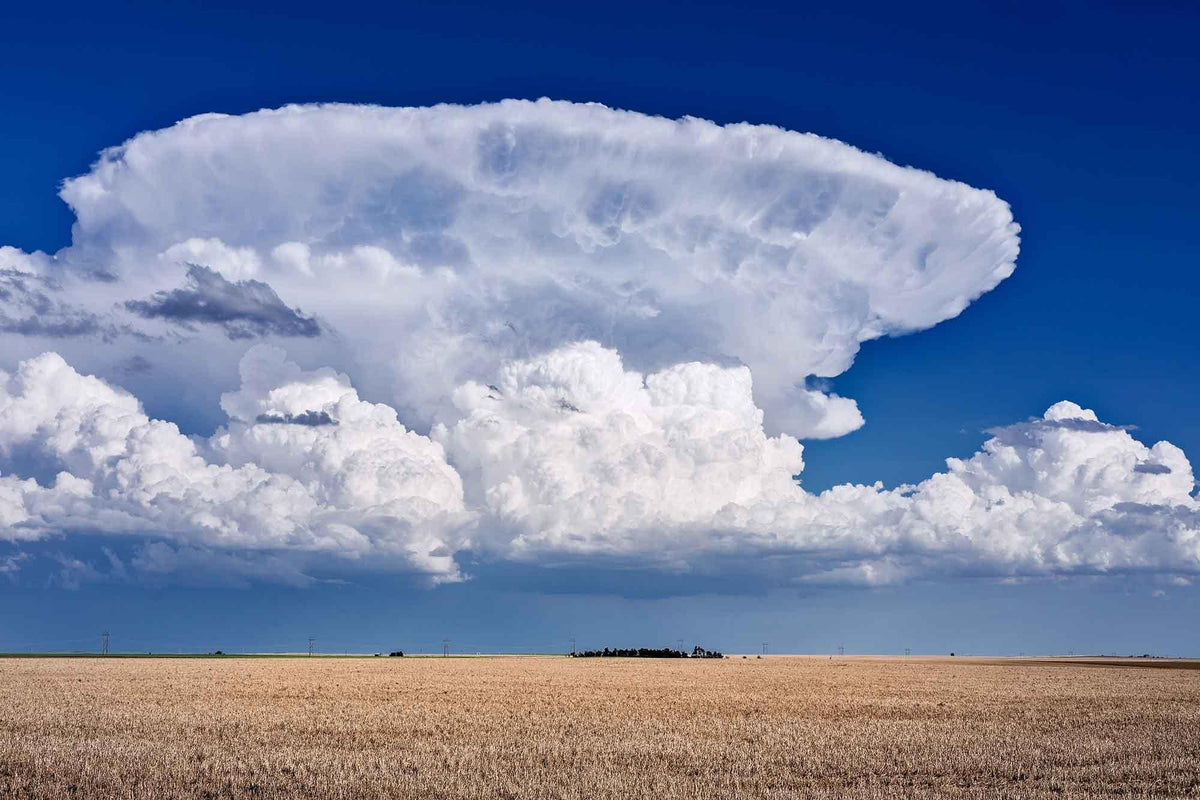
Credit: NOAA Photo Library, NOAA Central Library; OAR/ERL/National Severe Storms Laboratory. Public domain. Image ID nssl0035.
Source: Preserved NOAA image record on Wikimedia Commons
Chapter 6 assumes the reader may not have a current forecast. Most civilians do, and should check it before leaving. But forecasts are not guarantees, phones lose service, and local weather can develop faster than expected.
Field awareness is the backup. One useful pattern is a lowering sky. Thin high clouds gradually spread, thicken and give way to lower cloud layers. That progression can signal an approaching front and worsening weather. It does not tell an untrained observer exactly when rain will arrive, but it should prompt a review of distance, shelter, daylight and the return route.
The clearest warning for a beginner is a rapidly growing cumulonimbus cloud. These thunderheads build vertically, often develop dark bases and may spread into an anvil shape at the top. They can produce lightning, heavy rain, hail, and strong, erratic winds. Do not wait until the storm is overhead before changing the plan.
A wind shift or sudden drop in temperature can also accompany a frontal passage. On a trail or at a campsite, that may be the final warning before conditions change rapidly.
Lightning demands a firm rule: if you can hear thunder, you are close enough to be struck. Move immediately to a substantial building or a fully enclosed, metal-topped vehicle. Tents, open shelters, isolated trees, and exposed overlooks do not provide reliable protection. Remain sheltered for at least 30 minutes after the last thunder. No outdoor location is completely safe during a thunderstorm. National Weather Service lightning guidance
You are not trying to become a field meteorologist. You are trying to recognize the two-hour warning before the storm becomes the controlling problem.
What Does Not Translate to Civilian Life

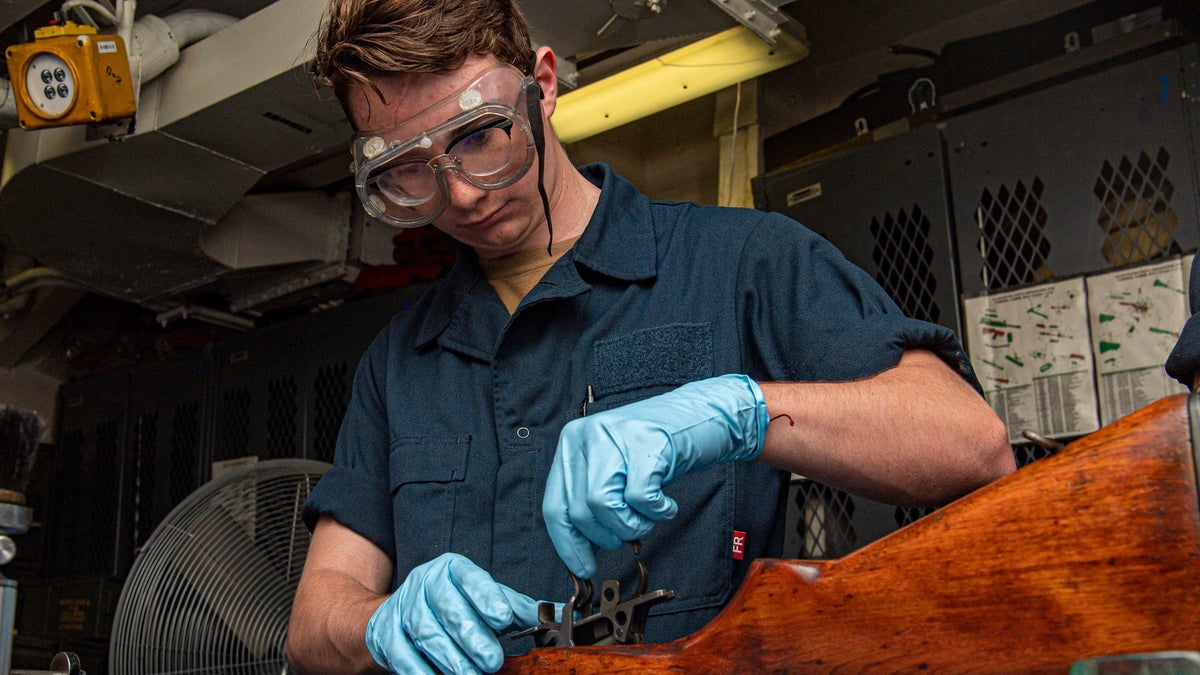
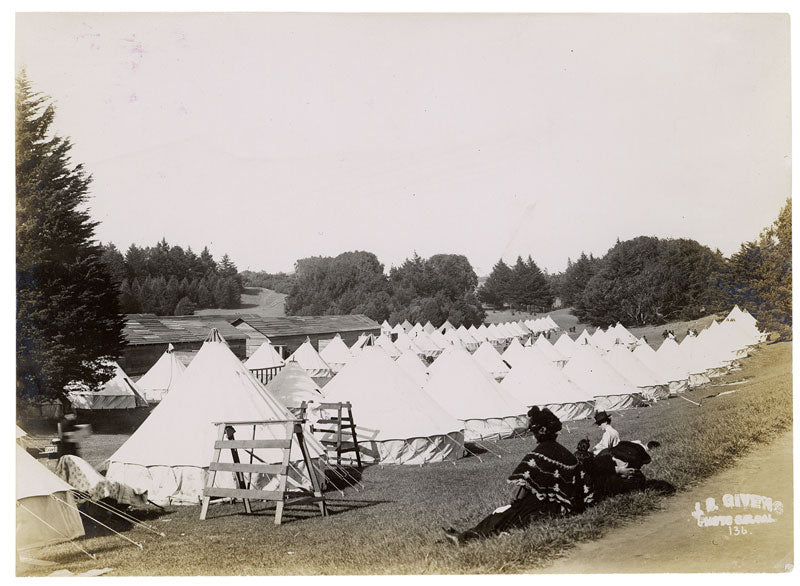
Credit: U.S. Air Force photo by Taylor Curry. Public domain. Photo ID 8309329, VIRIN 240312-F-NB144-1046.
Source: DVIDS image record
Some of Chapter 5 belongs strictly to military isolation, combat, and captivity. The handbook discusses triage when time, supplies, and security are so limited that care must be allocated under threat. That is not guidance for an ordinary household, roadside emergency, or backcountry injury. Civilians should contact emergency services, care for injured people within their training, and follow professional instructions. They should not interpret military triage material as permission to ration care or abandon someone.
The chapter also references Warrant Officer Michael Durant, who suffered a broken leg and back injury when his Black Hawk was shot down during the Battle of Mogadishu in 1993. He was held for 11 days before being released to the Red Cross.
Then-Major Rhonda Cornum suffered two broken arms, a broken finger and a gunshot wound when her helicopter was shot down during Desert Storm in 1991. During captivity, Sgt. Troy Dunlap assisted her because her injuries left her unable to care for herself.
These cases demonstrate the realities of combat isolation and captivity. They are not civilian scenarios. The limited transferable lesson is that a serious emergency may require people to accept necessary assistance, communicate clearly, and set aside embarrassment when health or survival is at stake.
The handbook also discusses marine injuries and medicinal plants for situations with no conventional alternatives. Do not treat that material as a civilian foraging guide. Plant identification errors can cause poisoning, and natural substances may interact with medication or worsen medical conditions. Use approved medical care and established poison-control resources instead.
Military field expedients exist because every normal option has failed. Civilians should not skip available normal options to make an emergency feel more “survival oriented.”
Build the Plan, Not Just the Kit
A practical medical and weather-readiness system does not need to be elaborate. It needs to be understood, maintained, and available where the problem is likely to occur.
- Take a recognized first-aid and CPR course.
- Learn basic bleeding control from a qualified instructor. (Stop the Bleed courses are free on YouTube)
- Inventory prescription medication and written medical information.
- Carry gloves, ordinary wound-care supplies and sanitation materials.
- Add spare socks and protection appropriate for expected heat, cold and rain.
- Download the forecast and know where severe-weather alerts will come from.
- Identify substantial shelter before starting an outdoor activity.
- Establish a turnaround point based on weather, daylight and group condition.
- Inspect the kit every six months and replace used or expired supplies.
- Stop small injuries, fatigue and environmental exposure before they combine.
This article is educational and does not replace professional medical advice, emergency instructions, or certified first-aid training. Call 911 for life-threatening conditions. Follow local emergency guidance and consult a qualified medical professional regarding personal health concerns.
Sources and Further Guidance
- AFH 10-644, Survival, Evasion, Resistance and Escape Operations, Chapters 5 and 6
- CDC/NIOSH: Heat-related illnesses
- CDC: Preventing hypothermia and frostbite
- CDC: About hand hygiene
- National Weather Service: Lightning safety
- NOAA: Life cycle of a thunderstorm
- U.S. Army: Battle of Mogadishu reflections
- Keesler Air Force Base: Rhonda Cornum account
The appearance of U.S. Department of Defense visual information does not imply or constitute Department of Defense endorsement. Black Label Precision is not affiliated with or endorsed by the Department of Defense, the U.S. Air Force, the CDC or NOAA.
STAY PROTECTED. STAY CAPABLE. GET HOME.


Share:
The Will to Survive: How Military Psychology Can Help You Handle Any Emergency
Weather Without a Forecast: A Field Guide to Clouds