The Environment Decides What Comes First
What Air Force SERE lessons about desert, tropical, cold-weather and open-sea survival teach civilians about changing priorities before conditions change them for you.
You leave the vehicle with water, a jacket, a phone and enough daylight for a short walk. Then the setting rewrites the problem. In a dry valley, the sun and hot wind make every unnecessary step expensive. In a humid forest, sweat stops cooling you effectively while wet feet and insects create problems that are easy to dismiss. Above the tree line, a mild breeze becomes a cold-soaked exposure problem. On open water, the survival clock starts before you feel thirsty.
The equipment may be identical in every case. The order of use should not be.
Chapters 8 and 9 of Air Force Handbook 10-644, Survival, Evasion, Resistance and Escape Operations are written for isolated military personnel—often shortened to IP—who may be far from normal support. Civilians usually have better options: cellular service, road access, weather warnings, emergency dispatchers and professional rescue. Use them. The useful civilian lesson is not to copy a military survival scenario. It is to recognize that climate and terrain decide which threat gets first attention.
QUICK ANSWER
A fixed survival checklist can fail because the environment changes the sequence. In hot, dry country, reduce heat gain and water loss before pushing movement. In the tropics, control moisture, contamination, insects and navigation. In cold or mountain terrain, protect insulation and stop heat loss early. On open water, flotation, exposure protection, fresh water, signaling and group discipline come before almost everything else. Read the place, identify what can injure you first, and spend energy only when the action improves your position.
The Priority List Moves With the Environment
Universal rules are easy to remember. Find water. Build shelter. Start a fire. Keep moving. Those actions can be correct, but not always in that order. Walking toward water at midday in the desert may create a heat injury before you arrive. Building a fire in strong wind can create a larger emergency. Leaving a disabled vehicle in open country may trade a large, visible shelter for a small person who is difficult to find.
A better method starts with three questions. What is injuring or degrading me now? What is likely to become dangerous next? Which action improves the situation without creating a worse one? That last question matters. Survival work costs time, fluid, body heat and attention. A task is not useful simply because it looks productive.
The handbook’s climate sections describe global environments in military terms, but the underlying decision model is ordinary risk management. Pay attention to heat transfer, moisture, wind, visibility, water, terrain and the time required for help to reach you. Then reorder the plan.
Hot and Dry: Spend Sweat Carefully
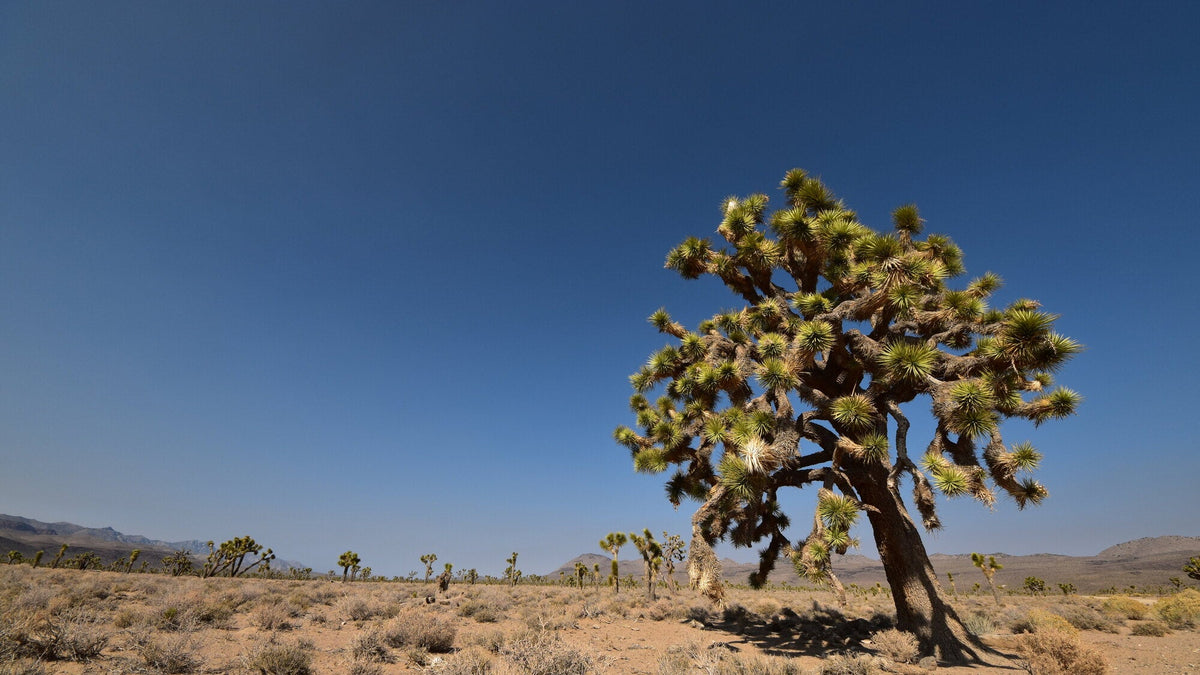
A desert emergency often looks deceptively manageable. The sky is clear. Visibility is good. The ground appears passable. That openness encourages movement, but heat, solar load, low humidity and distance can turn walking into the most expensive option available.


The civilian translation is straightforward: reduce heat gain before trying to solve distant problems. Get into shade or make it. Cover exposed skin with loose, breathable clothing. Protect the head and neck. Rest during the hottest part of the day when delaying movement is safe, then travel during cooler hours if movement is necessary and the route is known. Do not confuse visible distance with easy distance; clear air and open ground can make objectives look closer than they are.
The old phrase “ration sweat, not water” is useful when understood correctly. It does not mean drinking carelessly or waiting until supplies are gone. It means reducing the activity that drives fluid loss, then drinking enough to support normal function. Trying to save water by deliberately underdrinking while continuing strenuous work is a poor trade. So is burning through a limited supply because the plan ignored shade, pace and timing.
Heat exhaustion may include heavy sweating, headache, dizziness, nausea, weakness or muscle cramps. Stop, cool the person, loosen unnecessary clothing and seek medical guidance. Confusion, collapse, loss of consciousness or other signs of heat stroke make the situation a 911 emergency. Heat stroke is not something to walk off or treat as a test of toughness.
Deserts also punish assumptions after sunset. Dry air and clear skies can allow temperatures to fall quickly, especially at elevation. The clothing that seemed excessive at noon may become important overnight. Water planning matters, but so do insulation, signaling and a realistic decision about whether staying with a visible vehicle is safer than attempting a long walk.
Hot and Wet: Being Soaked Is Not the Same as Being Cooled
Tropical terrain creates the opposite visual impression. Water and vegetation appear abundant, so the environment can feel generous. In practice, heat, humidity, insects, contaminated water, poor visibility and constant moisture create a different set of costs.


High humidity slows evaporation, which makes sweat less effective at cooling the body. A person can be drenched and still overheating. The practical response is to control workload, use shade and airflow, rest before exhaustion, and replace safe drinking water. Water that looks clean is not automatically safe. Use a known potable source or an appropriate treatment method, and remember that ordinary filters and boiling do not remove every chemical contaminant.
Skin and foot care move much higher on the priority list here. Wet fabric rubs. Small cuts remain damp. Socks stay saturated. A minor hot spot can become a blister, and a blister can become an infected mobility problem. Change into dry socks when possible, air the feet, clean and protect damaged skin, and do not wait for pain to become severe before dealing with friction. The same attention applies to heat rash, insect bites and areas where equipment straps trap sweat.
Dense canopy also interferes with navigation and recovery. It limits sightlines, hides landmarks, blocks a clear view of the sky and can make a short cross-country distance take much longer than expected. Trails, roads, waterways and known boundaries deserve more weight than a straight line on a map. If rescuers know your last location, unnecessary movement can make their work harder.
Insects are more than an annoyance in many regions. Use repellents and bed nets according to their labels, cover skin when practical and check local public-health advice before travel. The goal is not to fear every bite. It is to prevent a predictable problem before fatigue makes basic hygiene and judgment harder.
Cold, Mountains and Arctic Terrain: Dry Is a Survival Resource
Cold-weather trouble often begins before anyone feels endangered. A layer becomes wet from rain, snow, a stream crossing or sweat. Wind increases. Movement slows. Fine motor skills fade, so zippers, knots, phones and fire-starting tools become harder to use precisely when they matter most.


The first cold-weather task is usually to stop the loss. Get out of wind and precipitation. Replace wet layers or wring them out if no dry clothing exists. Insulate the person from the ground, not just from the air. Add calories and warm nonalcoholic fluids when the person is awake and able to swallow normally. Build heat after protecting it; a fire is less useful when wind and wet clothing continue carrying warmth away.
Shivering, exhaustion, fumbling hands, confusion, poor coordination and slurred speech can signal hypothermia. A body temperature below 95 degrees Fahrenheit is a medical emergency, and shivering that stops while the person remains cold is not improvement. It may mean the body is losing the ability to compensate. Handle the person gently, begin gradual warming and call emergency services. Do not rely on vigorous exercise, alcohol or dangerously hot external heat.
Frostbite is a separate cold injury. Skin may become numb, firm or waxy and turn pale, white or gray-yellow. Protect it from refreezing, do not rub it and seek medical care. If there is a real chance the tissue will freeze again, improvised thawing can create additional damage. Civilian access to evacuation changes the decision: call for professional guidance instead of treating an extreme field procedure as routine first aid.


Mountains add altitude, steep ground and rapid weather changes. A route that is simple in daylight may become dangerous under cloud, wind or fresh snow. Exertion can soak insulation from the inside, so adjust layers before sweating heavily rather than after. Keep a dry reserve protected in a waterproof bag. Turnaround times should be decisions made in advance, not negotiations held when the summit is close and judgment is tired.
Arctic and near-Arctic environments magnify these problems, but the governing idea remains familiar: keep wind, moisture and conductive surfaces from draining heat faster than you can replace it. Snow can conceal water, unstable ice and terrain breaks. Visibility can disappear. In those conditions, staying oriented and sheltered may be more valuable than covering distance.
Open Seas: Get Afloat, Get Protected, Get Visible
Open water strips away many normal options. There may be no shade, no fresh water, no stable place to work and no meaningful route you can walk. Wind and spray keep cooling the body. Waves separate people from equipment. Seasickness consumes fluid and attention. Distance becomes difficult to judge.


The first priority is flotation. Put on a properly fitted life jacket before an emergency whenever possible; fastening one in the water is much harder. After an unexpected entry, control breathing, keep the airway clear and get as much of the body out of the water as circumstances allow. Cold shock can cause involuntary gasping and rapid breathing before hypothermia develops, even when the water does not look brutally cold.
A life raft changes the exposure problem but does not end it. Account for people, injuries, emergency equipment and the raft itself. Reduce water entry, insulate bodies from the floor, keep unnecessary clothing dry and manage ventilation without opening the raft to more spray than necessary. In a group, physical proximity and assigned tasks help conserve warmth and prevent confusion.

Fresh water quickly becomes the limiting resource. Do not drink seawater. The salt load forces the body to lose more water removing it and accelerates dehydration. Protect packaged water, collect rain when possible and ration activity before rationing safe water. Food is usually less urgent than exposure and hydration during short-term survival. Eating dry or salty food without enough fresh water can make thirst worse.
Seasickness is not a character flaw. Repeated vomiting increases dehydration, weakens the person and can make every other task harder. If a clinician has recommended motion-sickness medication for you, carry it and use it according to its label and that medical advice. Keep the person secured, positioned safely and involved in simple tasks when able.
Signaling should be deliberate. A radio, registered beacon, mirror, light, whistle, high-visibility fabric and dye marker solve different detection problems. Preserve batteries and pyrotechnic signals for moments when an aircraft or vessel can realistically see or hear them. Keep signaling equipment attached to a person or raft; loose gear in moving water is temporary gear.
Currents matter, but they are not a reason to exhaust yourself trying to swim toward a shoreline whose distance and direction are uncertain. Sharks attract attention in survival stories, yet exposure, drowning, dehydration and separation from flotation are usually more immediate. Control bleeding, avoid unnecessary splashing, keep the group together and stay with the largest visible survival platform unless an immediate hazard makes it unsafe.
Read the Place Before Choosing the Plan
Before spending energy, describe the environment in plain language. Is heat entering the body faster than it can leave? Is wind stripping warmth? Are clothing and insulation getting wet? Is safe water actually available, or merely visible? Can rescuers see the location? Will moving improve access to help, or only separate people from shelter, supplies and a known last position?
Then put a time horizon on the answer. What must be corrected in the next ten minutes? What will become dangerous in two hours? What will matter overnight? This keeps a distant problem—hunger, discomfort, the desire to reach a landmark—from outranking an immediate one such as exposure, heat illness or loss of flotation.
FIELD RULE
The environment does not care which item you bought first. Identify the fastest-moving threat, protect the capability you will need next and avoid work that spends more heat, water or energy than it returns.
Build by Problem, Not by Category
A modular kit is useful because the load can change with the trip. Black Label Precision FIELD//MOD modules can support that approach by organizing capability around real problems instead of one oversized bag. The important part is still the planning: a module only helps when its contents match the environment and the user knows how to reach and use them.
What These Chapters Do Not Replace
The handbook assumes military isolation, limited rescue options and, at times, conditions no civilian should voluntarily imitate. Reading about desert travel does not qualify someone for a remote crossing. Reading about cold injury does not replace wilderness medicine. Open-sea survival procedures do not replace boating instruction, required flotation equipment, a float plan or a working emergency beacon.
Use forecasts, warnings, maps, local authorities and emergency services whenever they exist. Turn back early. Cancel the trip. Call for help before the battery or weather deteriorates. Fieldcraft is not proving that you can endure a preventable emergency. It is recognizing the change soon enough to keep the situation manageable.
The Order Is the Skill
The desert, rainforest, mountains and ocean do not present the same problem in different scenery. They change what harms you first, what equipment matters and whether movement helps. Learn to reorder the plan before the environment does it for you.
Sources and Further Guidance
Air Force Handbook 10-644, Survival, Evasion, Resistance and Escape Operations, Chapters 8 and 9.
CDC: About Heat and Your Health.
National Weather Service: Cold Water Hazards and Safety.
This article is educational and does not replace professional medical advice, certified survival or first-aid training, official weather information, boating-safety instruction or emergency services. Black Label Precision is not affiliated with or endorsed by the U.S. Air Force, Department of Defense, NOAA, National Park Service, U.S. Fish and Wildlife Service or USDA Forest Service. The appearance of U.S. government visual information does not imply or constitute endorsement.
Share:
READ THE LAND: HOW TERRAIN, CLIMATE AND LIFE WORK TOGETHER
The Desert Makes Every Mistake Expensive