

Building a 24-Hour Roadside Capability From Civilian-Adapted SERE Principles
Most roadside emergencies begin with something ordinary: a dead battery, damaged tire, empty fuel tank or vehicle that simply refuses to continue.
The mechanical failure gets your attention, but it may not be the problem that puts you in danger. Cold, heat, traffic, dehydration, injury, isolation and failed communication begin creating additional problems while you are still staring under the hood.
A conventional roadside kit is usually designed to help the vehicle. Jumper cables, tire plugs and basic tools certainly matter, but what happens when the vehicle cannot be repaired? A proper vehicle kit must also protect the people inside it.
That is where lessons from Survival, Evasion, Resistance and Escape—better known as SERE—can be adapted to ordinary civilian life.
What SERE Has to Do With Civilian Preparedness
U.S. Air Force SERE training prepares military personnel to survive isolation, protect themselves from environmental hazards, communicate, signal for recovery and make decisions under stress.
The average driver is not preparing to evade an enemy or survive behind hostile lines. However, the basic survival problems addressed by SERE are not exclusively military problems.
Cold is cold. Dehydration is dehydration. Panic still produces bad decisions. A dead phone cannot call for help, and an untreated injury does not care whether it happened during a military mission or on the shoulder of an interstate.
Public Air Force SERE material emphasizes environmental assessment, personal protection, health, sustenance, communication, signaling, travel and recovery. Those principles can be translated into a simple civilian objective:
This article does not replace professional survival, medical or defensive training. It takes practical lessons found in publicly available Air Force SERE material and applies them to problems an everyday driver could realistically face.
The Emergency Is Bigger Than the Vehicle
When a vehicle stops working, you may lose several capabilities at once:
- Transportation
- Heat or air conditioning
- Phone charging
- Navigation
- Immediate access to food and water
- Physical protection from the environment
- The ability to quickly leave an unsafe area
The problem can become more serious at night, during extreme weather, on an isolated road or when traveling with children, elderly passengers or someone with a medical condition.
Your first objective is not to immediately fix everything. It is to keep one problem from becoming five.
First: Stop and Control the Situation
Stress encourages people to rush. Rushing leads to missed hazards, forgotten steps and poor decisions.
Before digging through the trunk, take a moment to assess what is happening:
- Move the vehicle away from traffic if it can be done safely.
- Activate the hazard lights.
- Check yourself and your passengers for injuries.
- Identify traffic, weather, fire, flooding and terrain hazards.
- Determine your location as precisely as possible.
- Check available phone service and battery power.
- Contact roadside assistance or emergency services when necessary.
- Tell a trusted person where you are and what happened.
Use your phone deliberately. Reduce unnecessary screen use, close power-hungry applications and avoid wasting battery while waiting for assistance.
The goal is simple: establish safety, understand the problem and create a workable plan before spending energy or resources.
Use the Vehicle as Temporary Shelter
In many roadside emergencies, the vehicle remains your best available shelter. It provides protection from wind, rain and snow. It is also larger and easier for responders to locate than a person walking along the road.
Remaining with the vehicle is often the better decision when:
- Help has been contacted.
- Your location is known.
- Weather or terrain makes travel dangerous.
- The vehicle is safely positioned.
- You do not know how far away assistance may be.
However, remaining inside is not always safe. Leave the immediate area when the vehicle is exposed to fire, flooding, unstable terrain, dangerous traffic or another immediate threat.
Do not blindly follow the rule to “always stay with the vehicle.” Instead, stay with the safest and most visible option available.
If the engine still operates, consider exhaust safety before using it for heat. Never run a vehicle in an enclosed space, and do not run it if snow, mud or debris may be blocking the exhaust.
Personal Security Is Part of Preparedness
A roadside emergency does not suspend the rest of the world. Being stranded can leave you isolated, distracted and dependent on unfamiliar people.
Personal security begins with awareness—not force.
- Keep the doors locked when remaining inside.
- Watch approaching vehicles and people.
- Maintain distance from anyone causing concern.
- Do not display every tool, supply or defensive item you carry.
- Tell a trusted person or dispatcher when someone approaches.
- Accept help carefully.
- Leave the area when safely possible rather than allowing a confrontation to develop.
Your vehicle loadout should include a practical and lawful means of personal protection. Depending on your training, location and applicable laws, that could include a high-output flashlight, whistle, personal alarm, defensive spray or a firearm.
If you choose to carry a firearm, prioritize safe handling, secure storage, knowledge of applicable laws and competent training. Avoid confrontation and leave or retreat when it can be done safely. Lethal force is a last resort reserved for an immediate, unavoidable threat of death or serious bodily harm.
A defensive tool does not replace awareness, judgment or de-escalation.
The objective is not to win a roadside confrontation. It is to avoid one, protect the people in your care and return home safely.
Build Capabilities, Not a Pile of Gear
Do not start by buying the largest premade emergency kit available. Start by identifying the problems your equipment must solve.

| Capability | Practical Equipment |
|---|---|
| Immediate safety | Reflective vest, warning triangles, LED beacon and flashlight |
| Communication | Charging cable, power bank, written contacts and roadside-assistance information |
| Medical | First-aid supplies, personal medications and basic wound-care items |
| Environmental protection | Seasonal clothing, gloves, rain layer, blanket and hand warmers |
| Water and energy | Sealed water, shelf-stable food and electrolyte packets |
| Vehicle repair | Tire inflator, plug kit, jump pack, pressure gauge and basic tools |
| Recovery | Properly rated tow strap, traction aid, folding shovel and work gloves |
| Personal security | Flashlight, alarm, lawful defensive spray or legally carried firearm |
| Navigation | Paper map, downloaded offline maps and written route information |
| Sanitation | Wipes, waste bags, tissues and hand sanitizer |
Every item should solve a specific problem. If you do not know what an item does or how to use it, it is occupying space rather than providing capability.
Organize the Kit in Three Layers
Equipment is not useful when the thing you need first is buried beneath luggage and loose gear.
Layer One: Immediate Access
These items should be reachable without unloading the entire vehicle:
- Flashlight or headlamp
- Reflective vest
- Work gloves
- Medical supplies
- Phone charger and power bank
- Personal protection
- Emergency-contact information
Layer Two: Vehicle Repair and Recovery
This layer supports common mechanical problems:
- Tire inflator
- Tire plug kit
- Jump pack or jumper cables
- Tire-pressure gauge
- Basic tools
- Tow strap with rated attachment points
- Traction equipment
- Compact shovel
Carrying these items is only useful if you understand them. Practice using the inflator and jump pack before an emergency. Locate the spare tire, jack points and recovery points for your vehicle.
Layer Three: Short-Term Sustainment
This layer supports the people inside the vehicle when repair or recovery is delayed:
- Water
- Food
- Warm clothing
- Blankets
- Rain protection
- Fire-starting capability where appropriate
- Hygiene supplies
- Seasonal equipment
The goal is not to live out of the vehicle indefinitely. It is to remain reasonably safe and functional during an unexpected delay.
Communication Is More Than Owning a Phone
A phone is valuable, but it is also fragile, battery-dependent and limited by coverage.
Before longer trips:
- Download offline maps.
- Save roadside-assistance numbers.
- Carry a compatible charging cable.
- Keep a charged power bank in the vehicle.
- Share your route and expected arrival time.
- Carry written emergency contacts.
- Know the highway, direction of travel and nearest mile marker.
When coverage is weak, a text message may work when a voice call will not. Provide your location, vehicle description, number of passengers and nature of the problem.
Communication tells help where to go. Signaling helps responders find you when they arrive. Reflective materials, hazard lights, warning triangles and LED beacons should make the vehicle visible without requiring you to stand in traffic.
Carry Water Before You Need It
Water should be part of every vehicle kit, but it must be inspected and rotated. Containers can leak, freeze, degrade or become contaminated after extended storage.
Consider:
- Number of passengers
- Climate and season
- Length of the route
- Distance from services
- Known medical needs
- Possibility of an extended delay
Carry water first. Treat purification equipment as a backup—not as an excuse to carry an empty bottle.
Food is normally less urgent than shelter, water, medical care and communication, but shelf-stable snacks can help maintain energy, improve morale and support passengers with specific dietary needs.
Adjust the Kit to the Environment
There is no universal vehicle kit. A good loadout changes with the route and season.
Winter
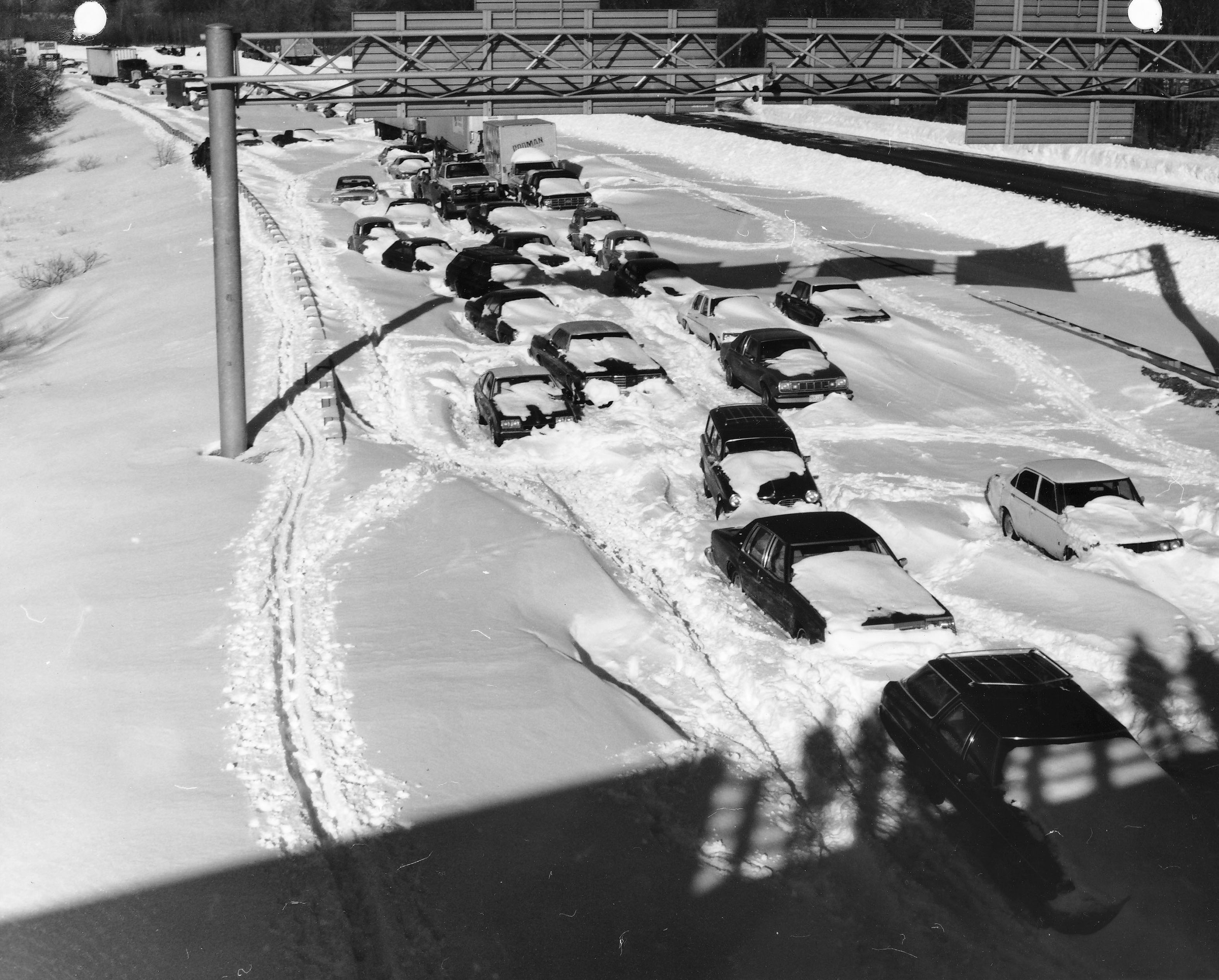
Add insulation, gloves, warm hats, hand warmers, a shovel, traction equipment and additional power capability. Replace lightweight clothing with equipment appropriate for the lowest expected temperature.
Summer
Increase water, add electrolyte support, sun protection and materials that can provide shade. Never leave people or animals inside a hot vehicle while waiting for assistance.
Remote Travel
Increase water, communication, navigation, signaling and recovery capability. Share your route and expected arrival time before departure.
Everyday Commuting
Prioritize visibility, phone power, basic medical care, personal protection and common vehicle repairs. Daily travel may remain close to home, but emergencies do not schedule themselves around convenience.
Common Vehicle-Kit Failures
A vehicle kit commonly fails because the owner:
- Buys it and never opens it.
- Carries tools without knowing how to use them.
- Stores expired medical supplies and dead batteries.
- Packs food but almost no water.
- Buries safety equipment beneath luggage.
- Depends entirely on cell service.
- Carries a tow strap without identifying safe attachment points.
- Leaves home without clothing appropriate for the weather.
- Fails to secure equipment during a collision.
- Never updates the kit for seasonal conditions.
- Leaves firearms or other defensive tools unsecured.
- Assumes owning equipment is the same as being prepared.
Preparedness is not measured by how much equipment you purchase. It is measured by how many realistic problems you can safely solve.
Conduct a Ten-Minute Readiness Check
Twice a year—and before any extended trip—inspect your vehicle kit:
- Charge the jump pack and power bank.
- Test every flashlight.
- Replace damaged or leaking water containers.
- Rotate food and medications.
- Check medical expiration dates.
- Confirm clothing still fits each regular passenger.
- Inspect straps, tools and recovery equipment.
- Replace missing or used supplies.
- Update emergency contacts and roadside-assistance information.
- Verify that defensive equipment is lawful, functional and securely stored.
Then make sure you can reach the most important items in darkness and bad weather.
Capability Beats Intention
SERE training is far more extensive than anything most civilians will ever need. Its value to everyday preparedness is not in copying military scenarios. It is in adopting the underlying habits: assess the environment, control your reaction, protect yourself, maintain health, communicate, signal for help and use available resources intelligently.
You do not need military experience to apply those lessons.
You need a realistic understanding of what can go wrong, equipment selected around those problems and enough familiarity to act when the vehicle stops moving.
A dead battery is an inconvenience. Being stranded without water, communication, protection or a plan is a failure of preparation.
The road does not care what you intended to pack next week.
Public References
This article was informed by the publicly available USAF SERE Operations Handbook, AFH 10-644, the SERE Specialist Career Field Education and Training Plan and the U.S. Air Force Survival School overview.
Black Label Precision is not affiliated with or endorsed by the Department of Defense or the United States Air Force. The appearance of U.S. military visual information does not imply or constitute endorsement.
Share:
MEET THE NEEDS: Applying USAF SERE Chapter 3 to Civilian Preparedness